
The Enthusiast’s Guide to the Spring Awakening
Phase 1: The “Paperwork” Pre-Check
Before you even head to the garage, ensure your car is actually legal to be on the blacktop. It’s easy to lose track of dates when a car is tucked away.
-
The MOT/Inspection: If your car is older than 3 years, check your MOT status. If it expired while in storage, you are legally only allowed to drive it to a pre-booked appointment at a testing station.
-
Insurance Status: Many enthusiasts “downgrade” to Laid-Up cover (Fire & Theft only) during winter. Ensure you’ve notified your provider that the car is back on the road.
-
Tax/Registration: If you declared the car SORN (Statutory Off Road Notification), you must tax it before the wheels touch a public road, even if its “free road tax” you still have to un-sorn it!
- Recovery: Check that your breakdown & recovery cover has not expired. Every classic car owner should have this, just is case!
Phase 2: The Deep Physical Inspection
Now, let’s get hands-on. You aren’t just looking for dirt; you’re looking for signs of degradation.
-
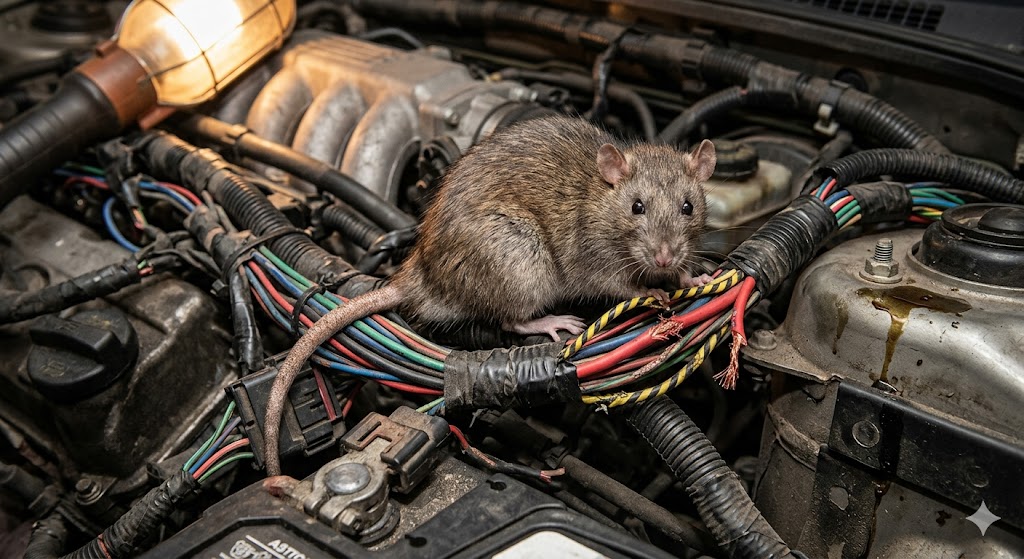
The “Critter” Hunt: Beyond the airbox, check your cabin filter and the area under the cowl (where the wipers sit). Rodents love these spots. Look specifically for “nibbled” wiring looms—modern soy-based wire insulation is basically a snack for mice.
-
Belt Tension & Condition: Rubber can become brittle or “set” in one position over winter. Inspect the serpentine/fan belts for hairline cracks or glazing.
-
Tire Flat-Spots: If you didn’t use tire cradles or over-inflate for storage, you might feel a vibration (thumping) for the first few miles. This usually goes away as the rubber warms up, but if it persists, the tires may be permanently “out of round.”
Phase 3: Fluid Dynamics
Liquids behave differently when they sit still for six months.
-
The Brake System: Brake fluid is hygroscopic, meaning it absorbs moisture from the air. If your pedal feels “spongy” on the first pump, it might be time for a flush.
-
Fuel Quality: Modern fuel (especially E10) starts to degrade after 3–6 months. If you stored it with a low tank, the fuel might be “stale.”
-
Tip: If the tank is low, head straight to the station and top up with fresh, high-octane premium fuel to stabilize the old stuff.
-
-
Coolant Integrity: Check the color. If it looks “milky” or has particles floating in it, you might have a corrosion issue or a failing gasket that manifested while sitting.
Phase 4: The Mechanical Awakening
This is the most critical moment for your engine’s longevity.
-
Oil Priming: In a car that hasn’t moved, all the oil has drained into the pan, leaving the top-end dry. To prevent a “dry start”:
-
Pull the fuel pump fuse or the ignition coil pack connectors.
-
Crank the engine for 5–10 seconds. This builds oil pressure without the engine actually firing.
-
Reconnect and start as normal.
-
-
The Battery Health Check: Even if the car starts, a battery that sat in the cold may have a high internal resistance. If your electronics (windows, lights) seem sluggish, the battery might be nearing its end-of-life despite the “green light” on your charger.
Phase 5: The Post-Storage Detail
Storage dust is abrasive. If you just grab a rag and wipe it, you’ll swirl the paint.
-
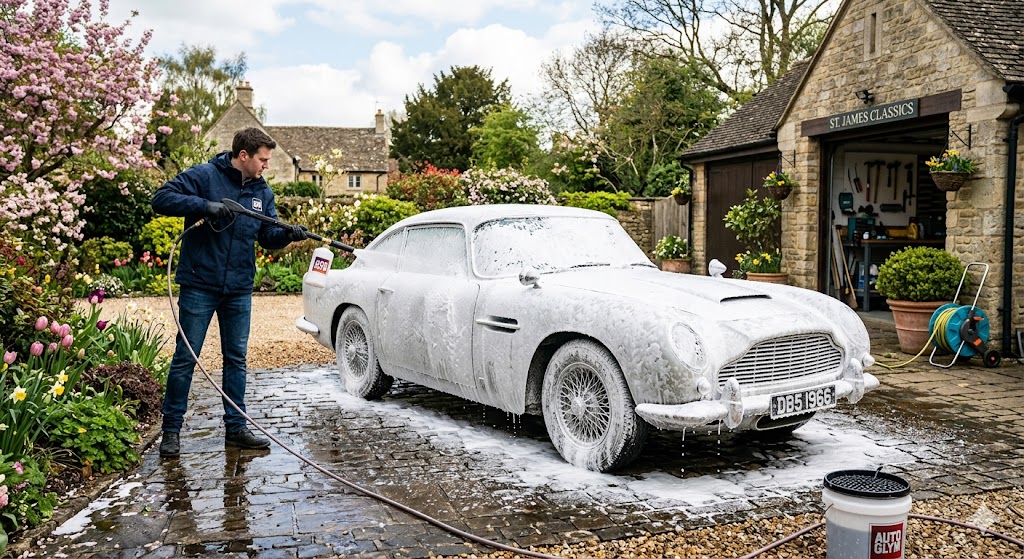
Snow Foam/Pre-Wash: Use a high-pressure rinse to knock off the “garage dust” before you touch the paint with a mitt.
-
Condition the Seals: Use a silicone-based conditioner on door and window rubbers. This prevents them from sticking or tearing after being pressed shut all winter.
-
The Interior Air-Out: Run the A/C on full blast for 10 minutes with the windows open. This helps clear out any stagnant moisture or bacteria that grew in the vents.
Now go and enjoy the glorious sunny months and fingers crossed, have worry free motoring!